
Moving with pets adds an extra layer of complexity to an already stressful process. Whether you're relocating across Kansas City or moving from out of state, your furry, feathered, or scaly family members need special attention and preparation. This comprehensive guide to moving with pets Kansas City will help ensure your beloved companions make the transition as smoothly as possible, with practical tips, local resources, and safety considerations specific to the Kansas City metro area.
The key to a successful pet move is preparation. Just like packing your belongings requires careful planning, preparing your pets for relocation demands advance preparation, understanding of their needs, and awareness of local resources. From gathering veterinary records to finding pet-friendly accommodations along your route, every detail matters when it comes to keeping your pets safe and comfortable during the move.
Kansas City's climate, traffic patterns, and urban layout present unique challenges for pet owners. Whether you're navigating the busy streets of downtown KC or the quieter suburbs of Overland Park or Olathe, understanding how to prepare your pets for local weather conditions, finding trusted veterinarians, and knowing emergency pet resources can make all the difference. This guide addresses all these considerations while providing actionable checklists and expert advice.
Pet Moving Checklist: Before the Move
A comprehensive pet moving checklist is essential for ensuring nothing falls through the cracks when preparing your pets for relocation. Start working through this checklist at least 6-8 weeks before your move to give yourself plenty of time to address each item.
8-6 Weeks Before Moving
4-2 Weeks Before Moving
1 Week Before Moving
Following this pet moving checklist systematically will help ensure you've covered all essential preparation steps. Remember that each pet is unique, and you may need to adjust this timeline based on your pet's specific needs, health conditions, and temperament. For more comprehensive moving planning, consider using our general moving checklist alongside this pet-specific guide.
Best Local Vets & Resources in Kansas City
Finding trusted veterinary care is one of the most important tasks when relocating with pets to Kansas City. The metro area boasts numerous excellent veterinary clinics, emergency hospitals, and specialized pet services. Whether you're moving to downtown Kansas City, Overland Park, Olathe, Independence, or any other KC suburb, having reliable veterinary care lined up provides peace of mind during and after your move.

24-Hour Emergency Veterinary Services
Emergency pet care availability is crucial, especially during the stress of moving when pets may be more susceptible to health issues. Kansas City is home to several excellent 24-hour emergency veterinary hospitals:
BluePearl Pet Hospital
Locations: Multiple locations throughout the KC metro area, including Overland Park and Kansas City
Services: 24/7 emergency care, specialty services including oncology, neurology, and critical care
Why It's Recommended: BluePearl is one of the largest and most comprehensive emergency veterinary networks in the area, providing advanced emergency and specialty care when your regular vet isn't available.
VCA Mission Animal Referral & Emergency Center
Location: Mission, Kansas
Services: 24/7 emergency veterinary services, advanced diagnostics, specialty referrals
Why It's Recommended: Conveniently located in the heart of the KC metro, VCA Mission provides excellent emergency care with board-certified specialists available for consultation.
Full-Service Veterinary Clinics
For routine care, wellness exams, and ongoing health management, Kansas City offers numerous excellent full-service veterinary clinics. Consider these highly-rated options across different areas of the metro:
Plaza Animal Clinic
Location: Country Club Plaza, Kansas City, MO
Services: General wellness, surgery, dental care, boarding
Why It's Recommended: Located in one of Kansas City's premier shopping and dining districts, Plaza Animal Clinic offers comprehensive care with experienced veterinarians and modern facilities.
Mission Veterinary Clinic
Location: Mission, Kansas
Services: Preventive care, surgery, diagnostics, grooming
Why It's Recommended: Serving the KC metro for decades, this clinic combines traditional care with modern veterinary medicine and is known for compassionate service.
Overland Park Veterinary Clinic
Location: Overland Park, Kansas
Services: Full-service veterinary care, wellness programs, advanced diagnostics
Why It's Recommended: As one of the largest suburbs in the KC metro, Overland Park has excellent veterinary services. This clinic is well-regarded for comprehensive care and friendly staff.
Additional Pet Resources in Kansas City
Beyond veterinary care, Kansas City offers numerous resources that can help make your pet's transition smoother:
- Pet-Friendly Parks: Kansas City boasts numerous dog parks and pet-friendly recreational areas. The Bar K dog park in the River Market District is particularly popular, offering a bar and restaurant where humans and dogs can socialize together.
- Pet Stores and Supplies: Chains like PetSmart and Petco have multiple locations throughout the metro. Additionally, locally-owned stores like Three Dog Bakery (originally founded in Kansas City) offer unique treats and supplies.
- Pet Boarding and Daycare: If you need temporary boarding during your move or ongoing daycare services, facilities like Camp Bow Wow and locally-owned boarding facilities provide excellent care throughout the metro area.
- Pet Licensing: Both Kansas City, Missouri and Kansas City, Kansas require pet licenses. Contact the appropriate animal control department in your new municipality to obtain licensing information and requirements.
- Pet Adoption Organizations: If you're interested in adding to your pet family after moving, Kansas City has excellent rescue organizations including Wayside Waifs and the KC Pet Project, which operate large, well-regarded animal shelters.
When selecting a veterinarian in Kansas City, consider factors such as location relative to your new home, clinic hours, available services, emergency coverage, and compatibility with your pet's personality. Schedule a meet-and-greet appointment before your move if possible, or within the first week of arriving in your new home. Having an established veterinary relationship provides crucial support during your pet's adjustment period.
How to Prepare Animals for Travel
Travel preparation varies significantly by species, but all pets benefit from gradual acclimation, familiar comforts, and understanding of their specific needs. Whether you're traveling a short distance within the Kansas City metro or making a long-distance journey, these tips for moving with dogs and cats will help ensure a safer, less stressful experience for everyone involved.

Preparing Dogs for Travel
Dogs generally adapt better to travel than cats, but they still require careful preparation. The key is making the travel experience as positive and comfortable as possible.
- Gradual Car Acclimation: Start taking your dog on progressively longer car rides weeks before your move. Begin with short trips around the neighborhood, gradually increasing duration. Pair car rides with positive experiences like visits to favorite parks or pet stores.
- Secure Restraint Systems: Use a properly fitted crate, carrier, or certified seatbelt harness designed for dogs. Never allow dogs to roam freely in vehicles, as this poses serious safety risks in accidents and can be distracting for drivers.
- Practice with Carriers: If your dog will travel in a crate, make it a comfortable, positive space. Leave it open in your home with soft bedding and treats. Feed meals inside the crate to create positive associations.
- Exercise Before Travel: Ensure your dog gets plenty of exercise before travel to help them rest more easily during the journey. A tired dog is generally calmer in the car.
- Travel Feeding Schedule: Feed your dog a light meal 3-4 hours before travel to reduce the risk of car sickness. Avoid feeding immediately before departure.
- Identification: Ensure your dog wears a collar with current ID tags and that microchip information is updated. Consider adding a temporary travel tag with your cell phone number and destination address.
- Comfort Items: Bring familiar items like favorite toys, blankets with home scent, and treats. These provide comfort and reduce anxiety during travel.
Preparing Cats for Travel
Cats are typically more sensitive to change and travel stress than dogs. Careful preparation is essential for feline travel success.
- Carrier Training: Begin carrier training weeks in advance. Leave the carrier out with the door open, place comfortable bedding inside, and occasionally place treats or meals inside. Never use the carrier only for stressful trips like vet visits—make it part of daily life.
- Pheromone Products: Consider using feline pheromone sprays or diffusers (like Feliway) in the carrier and vehicle to create a calming environment. These synthetic versions of natural calming pheromones can significantly reduce travel anxiety.
- Secure Carrier Placement: Place the carrier on a stable surface in your vehicle, secured with a seatbelt. Never place carriers in front of airbags or in areas where they could slide or tip during travel.
- Limited Food Before Travel: Feed your cat a light meal 3-4 hours before travel to reduce the risk of vomiting. Ensure access to water until shortly before departure.
- Litter Box Access: For long trips, provide access to a small litter box during rest stops. Use a portable litter box or shallow pan with familiar litter. Most cats can hold their elimination for several hours, but longer trips require restroom breaks.
- Calm Environment: Keep the car quiet and temperature-controlled. Avoid loud music, and consider covering the carrier with a light cloth to provide a sense of security while ensuring adequate ventilation.
- Never Leave Cats Unattended: Never leave cats alone in vehicles, especially in extreme temperatures. Even moderate temperatures can quickly become dangerous inside parked vehicles.
Preparing Other Pets for Travel
Birds, small mammals, reptiles, and other exotic pets each have unique travel requirements:
- Birds: Use a secure travel cage (not your pet's regular cage) that's properly sized and well-ventilated. Cover most of the cage during travel to reduce stress, but ensure adequate airflow. Maintain appropriate temperature—birds are sensitive to temperature extremes.
- Small Mammals (Rabbits, Guinea Pigs, etc.): Travel in secure, well-ventilated carriers with absorbent bedding. Provide small amounts of fresh vegetables and water. These animals are very sensitive to temperature extremes and stress.
- Reptiles: Require temperature-controlled travel environments. Use insulated containers or heating pads as needed. Research specific temperature requirements for your species, as many reptiles need careful temperature maintenance during travel.
- Fish: Transport in specialized bags or containers with original tank water if possible. Keep in temperature-stable environments and minimize travel time. Some fish may need to be transported separately to prevent aggression during the stress of travel.
Regardless of species, always consult with a veterinarian familiar with your specific type of pet before planning travel. Some pets may require health certificates or special accommodations. Additionally, research airline or transportation company policies if you're flying, as regulations vary significantly by carrier and pet type.
Safety Tips Specific to Kansas City Weather & Traffic
Kansas City's climate and traffic patterns present unique challenges for pet owners during moves. Understanding these local conditions and preparing accordingly can prevent emergencies and ensure your pet's safety throughout the relocation process.
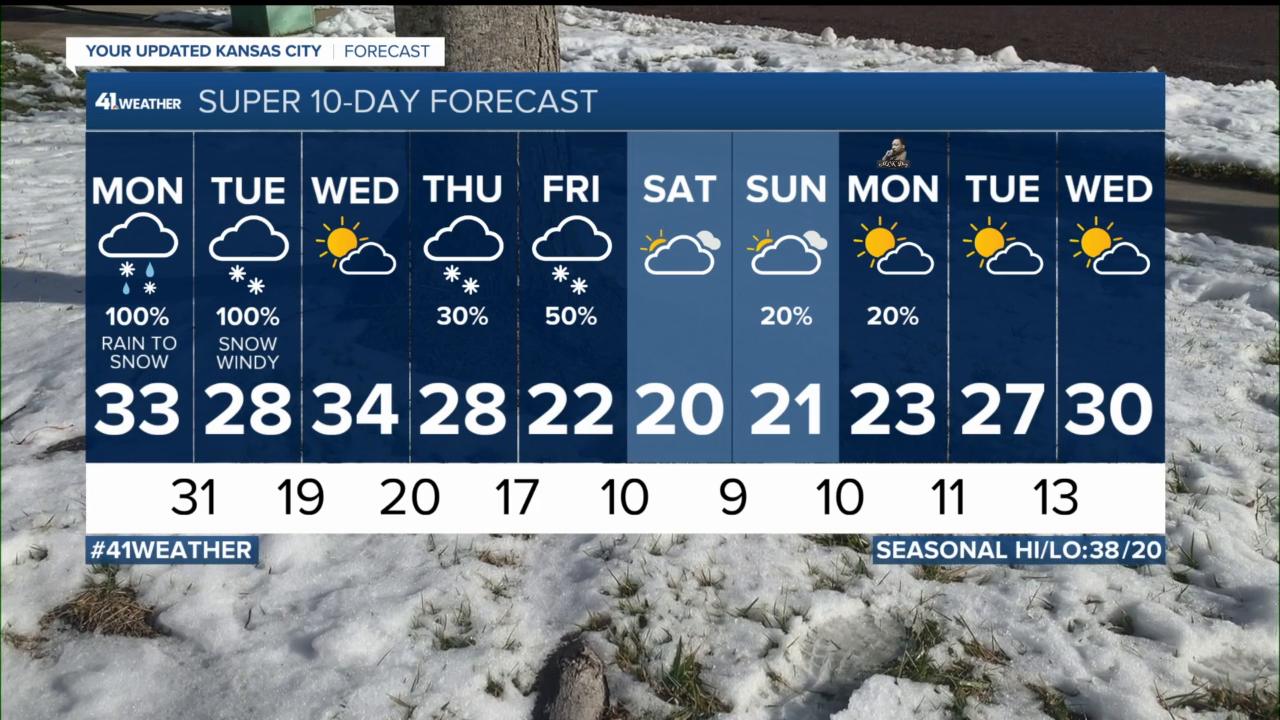
Kansas City Weather Considerations
Kansas City experiences four distinct seasons, each presenting different challenges for pet travel and safety:
Summer Heat and Humidity
Kansas City summers are hot and humid, with temperatures frequently reaching 90-100°F from June through August. These conditions are particularly dangerous for pets:
- Never Leave Pets in Vehicles: Even with windows cracked, vehicle interiors can reach deadly temperatures within minutes. In Kansas City's summer heat, a car can reach 120°F in just 20 minutes, even when outdoor temperatures are only 85°F.
- Travel During Cooler Hours: Plan your move for early morning or evening when temperatures are lower. Midday travel in unairconditioned vehicles is dangerous for pets.
- Ensure Air Conditioning: Verify your vehicle's air conditioning is working properly before moving day. Have backup cooling methods like battery-operated fans or cooling mats if your AC fails.
- Provide Frequent Water Breaks: Stop every 1-2 hours to offer fresh, cool water. Watch for signs of overheating including excessive panting, drooling, weakness, or collapse.
- Parking in Shade: If you must leave your vehicle briefly, always park in full shade. In Kansas City's downtown areas, finding shade can be challenging—plan rest stops at pet-friendly locations with covered parking.
- Paw Protection: Asphalt and concrete surfaces can burn paw pads in summer heat. Test surfaces with your hand—if it's too hot for your hand, it's too hot for paws. Consider protective booties or carry pets across hot surfaces.
Winter Cold and Ice
Kansas City winters can be severe, with temperatures dropping below freezing and occasional ice storms. Winter moving requires special precautions:
- Vehicle Warm-Up Time: Allow vehicles to warm up completely before placing pets inside. Cold metal surfaces and freezing temperatures can cause hypothermia quickly.
- Warm Bedding: Provide extra blankets and bedding in carriers. Consider heating pads designed for pets (never use human heating pads which can overheat) or warm water bottles wrapped in towels.
- Salt and Ice Melt Dangers: Kansas City uses road salt and ice melt products that can be toxic to pets and cause paw pad irritation. Wipe paws clean after outdoor exposure and consider protective booties.
- Indoor Warming Breaks: Plan rest stops at indoor locations where pets can warm up. Many Kansas City rest areas and pet-friendly businesses provide warm indoor spaces.
- Emergency Winter Kit: Pack extra blankets, towels, and emergency supplies in case of breakdowns or delays. Winter weather can cause unexpected delays on Kansas City's highways.
- Visibility: Shorter daylight hours in winter mean more travel in darkness. Ensure pets have reflective collars or tags and keep vehicle interior lights on when checking on pets during stops.
Spring and Fall Considerations
While spring and fall generally offer milder weather, Kansas City experiences significant temperature swings and severe weather:
- Severe Weather Awareness: Kansas City is in "Tornado Alley" and experiences severe thunderstorms and tornadoes, particularly in spring. Monitor weather forecasts and be prepared to delay travel if severe weather is predicted.
- Allergy Season: Spring brings high pollen counts that can affect pets. If your pet has allergies, consult your veterinarian about managing symptoms during the move.
- Temperature Fluctuations: Wide temperature swings between day and night are common. Pack appropriate bedding and be prepared to adjust your pet's environment as temperatures change throughout the day.
Kansas City Traffic and Road Safety
Kansas City's traffic patterns and road infrastructure present specific challenges for pet owners during moves:
- Rush Hour Avoidance: Kansas City experiences heavy traffic on I-35, I-70, I-435, and Highway 71 during rush hours (typically 6:30-9 AM and 4:30-6:30 PM). Plan pet travel outside these times to reduce stress from traffic and delays.
- Construction Zones: Kansas City has ongoing highway construction that can cause delays and sudden stops. Ensure pets are properly secured in carriers or restraint systems to prevent injury during sudden braking.
- Bridge and Tunnel Considerations: If crossing the Missouri River or traveling through tunnels, plan for potential delays. Ensure pets have adequate ventilation and aren't left in vehicles if you encounter unexpected delays.
- Urban Parking Challenges: Downtown Kansas City and popular areas like the Country Club Plaza have limited parking. When making rest stops, choose locations with easy parking access to minimize time pets spend waiting in vehicles.
- Pet-Friendly Rest Areas: Research pet-friendly rest stops along your route. Many Kansas City area rest areas have designated pet exercise areas, but rules vary by location.
- Emergency Preparedness: Keep emergency contact information accessible, including your veterinarian, emergency veterinary clinics, and roadside assistance. Kansas City's traffic can be unpredictable, and having emergency resources ready is essential.
Understanding Kansas City's specific challenges helps you prepare appropriately for your pet's safety. Always prioritize your pet's comfort and safety over convenience or schedule. If weather conditions become dangerous or traffic delays extend significantly, prioritize finding safe, temperature-controlled locations for your pets, even if it means adjusting your moving timeline. For comprehensive moving planning that accounts for all these factors, consider consulting with professional movers who understand local conditions and can help coordinate your move around your pet's needs.
Moving Day Strategies: Keeping Pets Safe and Calm
Moving day itself is typically the most stressful time for pets. Doors opening and closing, strangers in the home, furniture being moved, and the general chaos can cause significant anxiety. The best strategy is to keep pets completely separate from the moving activity.

Ideal Moving Day Arrangements
The safest approach is to arrange for pets to stay with a trusted friend, family member, or professional pet sitter during the actual move. This eliminates stress and prevents escape risks when doors are frequently opened. If this isn't possible:
- Designate a Safe Room: Choose one room in your home (typically a bedroom or bathroom) to serve as your pet's safe space during the move. Move your pet into this room first thing in the morning with food, water, bedding, and familiar items.
- Clearly Mark the Room: Place a large "DO NOT ENTER - PET INSIDE" sign on the door to ensure movers avoid the room. Consider placing furniture against the door to prevent accidental opening.
- Minimize Stress: Keep the room quiet by closing windows and blinds. Play soft music or use white noise to mask outside sounds. Provide favorite toys and treats to create positive associations.
- Check In Regularly: Visit your pet every 1-2 hours to provide reassurance, check on food and water, and ensure they're handling the stress well.
- Final Load: Pets should be the last items loaded into your vehicle. By this time, most of the chaos has subsided, and you can give them your full attention during transport.
Settling Into Your New Home
Once you arrive at your new Kansas City home, help your pets adjust gradually:
- Prepare Their Space First: Before bringing pets inside, set up their food and water dishes, bedding, and familiar items in a designated safe room. This room should be the first place they experience in the new home.
- Gradual Exploration: Allow pets to explore the new home gradually, starting with one room and slowly expanding access over several days. For dogs, keep them on leashes during initial exploration. For cats, confine them to one room for the first few days.
- Maintain Routines: Stick to familiar feeding schedules, exercise routines, and sleeping arrangements as much as possible. Consistency helps reduce stress during the adjustment period.
- Update Identification: As soon as you have your new address, update your pet's ID tags and microchip information. This is crucial in case pets escape during the adjustment period.
- Schedule New Veterinary Visit: Within the first week, schedule a visit with your new Kansas City veterinarian. This establishes care and ensures continuity of any ongoing treatments or medications.
- Monitor for Stress: Watch for signs of stress including changes in appetite, elimination habits, sleep patterns, or behavior. Most pets adjust within 1-2 weeks, but some may need additional time or veterinary support.
Remember that every pet adjusts at their own pace. Some pets adapt to new environments within days, while others may need weeks or even months to feel completely comfortable. Be patient, provide plenty of love and reassurance, and don't hesitate to consult your veterinarian if you notice concerning changes in your pet's behavior or health.
Special Considerations for Different Pet Types
While dogs and cats are the most commonly moved pets, many families have birds, small mammals, reptiles, and other companions that require specialized care during relocation. Understanding species-specific needs ensures all your pets make a safe transition to Kansas City.
Senior Pets
Older pets face additional challenges during moves. They may have mobility issues, health conditions, or increased anxiety. Consult with your veterinarian before moving senior pets, as they may need additional support or modified travel arrangements. Consider shorter travel segments, more frequent rest breaks, and medications for anxiety or discomfort if recommended by your vet.
Pets with Health Conditions
Pets with chronic health conditions require extra preparation. Ensure you have sufficient medications, complete medical records, and have identified veterinarians in Kansas City who can continue treatment. For pets requiring frequent veterinary care, factor proximity to veterinary clinics into your new home selection.
Multiple Pets
Moving multiple pets multiplies the complexity. Ensure each pet has appropriate travel accommodations—they may need to travel separately depending on species and compatibility. Plan for additional time, space, and resources. Having multiple pets also means researching Kansas City's pet limit regulations in your new area.
Creating a Smooth Transition for Your Pets
Moving with pets to Kansas City requires careful planning, but with proper preparation and attention to your pet's specific needs, the transition can be smooth and stress-free. The key is starting early, following a comprehensive pet moving checklist, understanding local resources, and prioritizing your pet's safety and comfort throughout the process.
Remember that your pets look to you for reassurance during times of change. Maintaining calm, positive energy helps your pets feel more secure. Take advantage of Kansas City's excellent veterinary resources, pet-friendly amenities, and supportive pet community to make your transition easier.
If you're planning a move in the Kansas City area and want to focus your energy on your pets while professionals handle the logistics of your belongings, consider working with full-service movers who can coordinate the physical move while you concentrate on your pets' needs. Many families find that this approach significantly reduces overall stress and allows them to give their pets the attention and care they deserve during relocation.
For additional moving resources and tips, explore our moving blog, use our free moving quote service to plan your Kansas City move, or check out our comprehensive moving checklist for general relocation planning. Whether you're moving across town or across the country, your pets are important family members who deserve careful consideration and preparation throughout the moving process.